Maximizing Energy Efficiency: Smart Technologies for Homes and Businesses

Harsh Patel
In today’s world, energy efficiency has become more important than ever. Smart technologies are transforming how homes, businesses, and industries manage energy consumption, helping reduce operational costs while supporting a more sustainable future.
From intelligent automation systems to AI-driven energy management, modern technologies are creating smarter and more efficient environments across residential and commercial sectors.
At STRINEX, we believe innovation and intelligent infrastructure play a vital role in building energy-efficient ecosystems for the future.
Smart Home Systems: The Future of Residential Energy Management
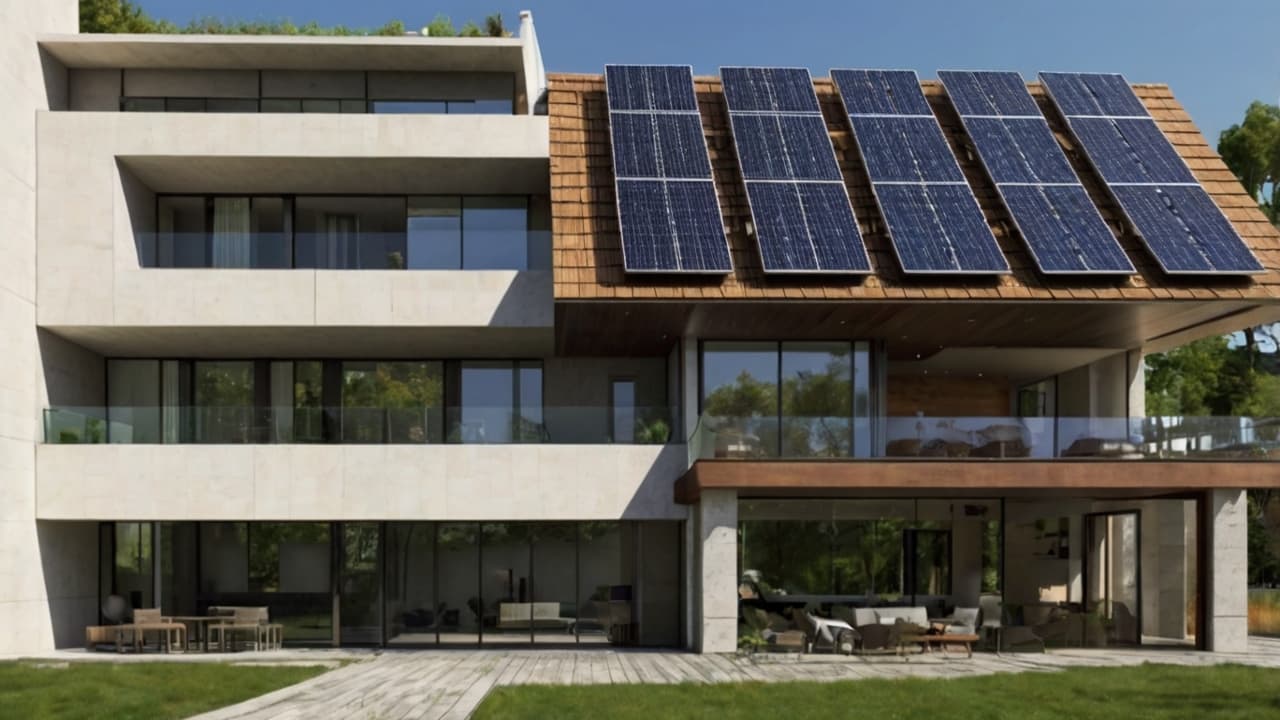
Smart home technologies have significantly improved the way people interact with their living spaces. Intelligent thermostats, automated lighting systems, and connected appliances help optimize energy usage while improving comfort and convenience.
Modern smart home solutions can:
- Automatically adjust lighting based on occupancy
- Optimize cooling and heating systems
- Schedule appliances during off-peak hours
- Monitor real-time energy consumption
These technologies help homeowners reduce energy waste while improving overall efficiency.
Commercial Building Automation: Improving Efficiency at Scale
Businesses are increasingly adopting Building Automation Systems (BAS) to manage energy consumption more effectively. These systems integrate lighting, HVAC, security, and operational controls into one centralized platform.
Smart commercial automation offers:
- Real-time energy monitoring
- Automated climate control
- Predictive maintenance capabilities
- Reduced operational costs
- Improved infrastructure performance
By using intelligent analytics and automation, businesses can significantly improve efficiency while minimizing unnecessary energy usage.
Industrial Energy Management: Optimizing Operations
Industries are using advanced technologies to monitor and optimize energy-intensive operations. IoT-enabled sensors and intelligent monitoring systems provide valuable insights into equipment performance and energy consumption patterns.
Key technologies include:
- Smart monitoring systems
- Energy-efficient motors
- Automated process optimization
- Heat recovery systems
- Intelligent load management
These innovations help industries reduce waste, improve productivity, and achieve better operational efficiency.
The Role of Artificial Intelligence in Energy Efficiency
Artificial Intelligence (AI) is becoming a major driver of modern energy management systems. AI-powered platforms analyze large amounts of operational data to optimize energy allocation and improve system performance.
AI technologies can:
- Predict energy demand patterns
- Automatically adjust energy usage
- Detect operational inefficiencies
- Improve equipment performance
- Reduce unnecessary power consumption
As AI technologies continue to evolve, energy systems are becoming smarter, faster, and more efficient.
The Future of Smart Energy Solutions
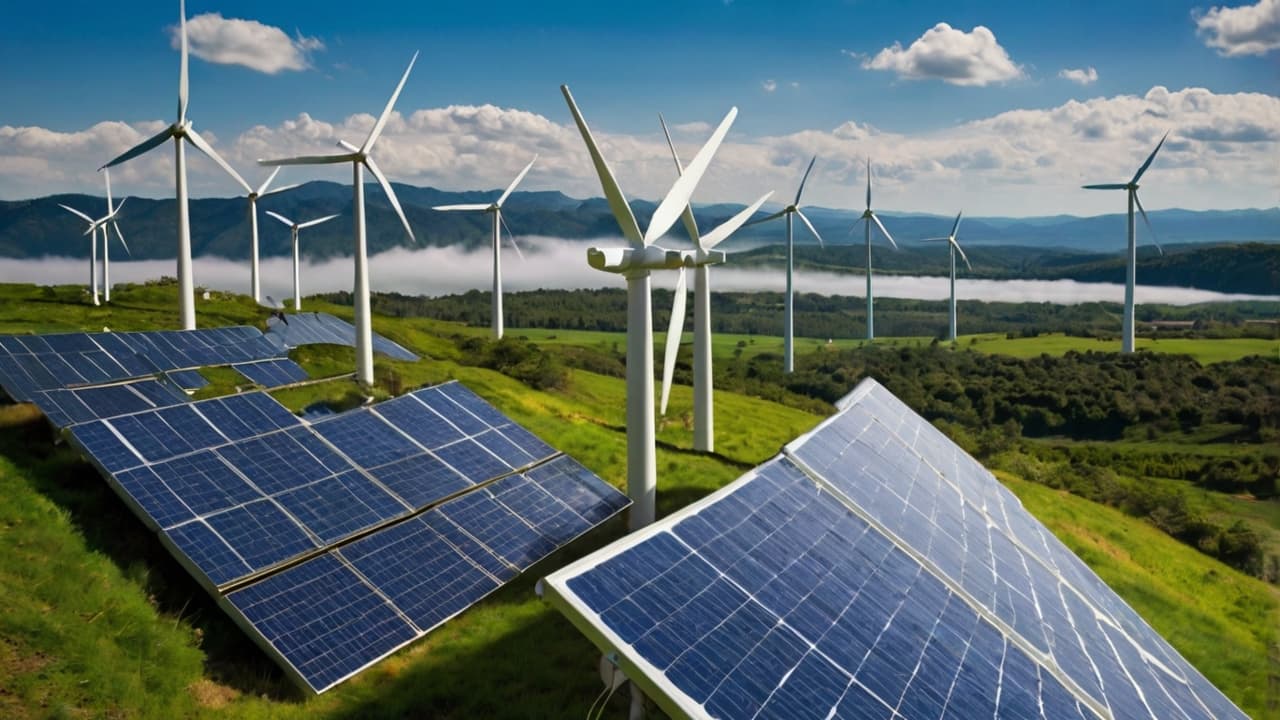
The future of energy efficiency lies in intelligent infrastructure, connected ecosystems, and sustainable technologies. The integration of renewable energy systems, smart grids, and advanced automation will continue reshaping how energy is managed across homes and businesses.
Emerging technologies such as electric vehicle integration, intelligent storage systems, and AI-driven automation are expected to further improve energy optimization and sustainability in the years ahead.
STRINEX and Smart Energy Innovation
At STRINEX, we are committed to supporting modern infrastructure with intelligent technologies and energy-efficient solutions designed for evolving operational needs.
By leveraging innovation, automation, and smart technologies, we aim to help businesses and industries build more sustainable, efficient, and future-ready environments.
Conclusion
Smart technologies are redefining energy efficiency across residential, commercial, and industrial sectors. From intelligent automation to AI-powered management systems, these innovations are helping organizations reduce energy consumption, improve operational performance, and support long-term sustainability goals.
As technology continues to evolve, smart energy solutions will play an increasingly important role in building a more connected, efficient, and sustainable future.